Why does a car key stop working when the blade looks fine?
It is a common frustration: the metal blade of your car key looks perfectly fine, yet the door will not unlock, the engine will not start, or the key turns but nothing happens. The blade itself is only one part of a modern car key. When that part looks good but the key fails, the problem almost always lies in the electronics, the immobilizer system, or the ignition cylinder. Understanding what can go wrong helps you decide whether a simple fix or a full car key replacement is needed.
The blade is just the beginning
Older car keys were simple pieces of cut metal. If the blade matched the lock, the car started. Today, most vehicles use a combination of a physical key blade and an electronic component. The blade still operates the door lock and, in some cars, the ignition cylinder. But the real work of starting the engine is handled by a transponder chip or a key fob that communicates with the car's immobilizer system. When the blade looks fine but the key does not work, the chip or fob is the likely culprit.
Common electronic failures
Modern key fobs and transponder keys contain small circuit boards, batteries, and antennas. Over time, these components can fail even if the key has never been dropped or wet. A dead battery is the simplest cause, but there are others:
- Battery contact corrosion: Even a tiny amount of moisture can cause the battery terminals to corrode, breaking the electrical connection. The key blade remains unaffected, but the fob stops sending a signal.
- Cracked solder joints: The tiny solder connections on the circuit board can develop hairline cracks from thermal cycling or minor vibration. The key may work intermittently at first, then stop entirely.
- Damaged transponder chip: The chip inside the key head can be damaged by static electricity, extreme heat, or physical shock. The blade still fits the lock, but the car's immobilizer does not recognize the chip and prevents the engine from starting.
- Fob antenna failure: Some keys use a small loop antenna inside the fob. If that antenna breaks or becomes detached, the fob cannot transmit its code even if the battery is fresh.
Any of these issues can leave you with a key that looks perfect but does nothing. A professional car key replacement service can diagnose whether the electronics are the problem and provide a new key that works with your vehicle's system.

Immobilizer and programming problems
Even when the key's electronics are intact, the car may still refuse to start if the immobilizer system loses synchronization. This can happen if the car's battery was recently disconnected, if a different key was used, or if the vehicle's computer experienced a glitch. The key blade turns the lock, but the immobilizer does not release the engine-start circuit. In such cases, the key itself may be fine, but it needs to be reprogrammed to the car. This is not something a hardware store can do; it requires specialized equipment and access to the vehicle's security system.
Many modern cars also use a rolling code system, where the key and car exchange a new code each time the key is used. If the key is used too many times out of range of the car (for example, pressing the unlock button in your pocket while walking away), the codes can drift out of sync. The key blade still works the lock, but the remote functions stop. Reprogramming the key to the car's receiver usually solves the problem.
Ignition cylinder wear
Another reason a key may stop working even though the blade looks fine is wear inside the ignition cylinder. The cylinder contains small pins and springs that align with the cuts on the key blade. Over time, those pins can wear down, or the cylinder can accumulate dirt and debris. The key may slide in easily, but the pins no longer lift to the correct height, so the cylinder does not turn. This is especially common in older vehicles or cars with high mileage. The key blade itself is not the problem; the cylinder needs to be repaired or replaced.
In some cases, a worn ignition cylinder can also damage a key. If the pins are rough or misaligned, they can scrape metal off the blade each time the key is inserted, eventually changing the blade's shape. But if the blade still looks straight and clean, the cylinder is the more likely suspect.
Push start and proximity key issues
Many newer vehicles use a push-start system that does not require inserting a key blade at all. These systems rely on a key fob that communicates with the car's computer. If the fob's battery dies, if the fob is out of range, or if the car's antenna fails, the engine will not start even if you press the button. The blade on the fob (often hidden inside the fob for emergency use) may look brand new, but the electronic link is missing. Some cars have a backup method, such as holding the fob near the start button or using a hidden slot, but if those fail, a replacement fob or a repair of the car's receiver may be needed.
Proximity keys can also suffer from interference. Metal objects, other electronic devices, or even certain types of car accessories can block the low-frequency signal between the fob and the vehicle. The key blade remains unaffected, but the car cannot detect the fob. Moving the fob closer or removing the interference usually helps, but if the problem persists, the fob may need to be tested and possibly replaced.
What to do when the key fails
If your car key stops working but the blade looks fine, start with the simplest checks. Replace the battery in the fob if it has one. Try the spare key to see if the problem is with the key or the car. If the spare works, the original key likely has an electronic fault. If neither key works, the issue may be in the car's immobilizer or ignition cylinder. In that case, a professional locksmith or dealer can diagnose the exact cause.
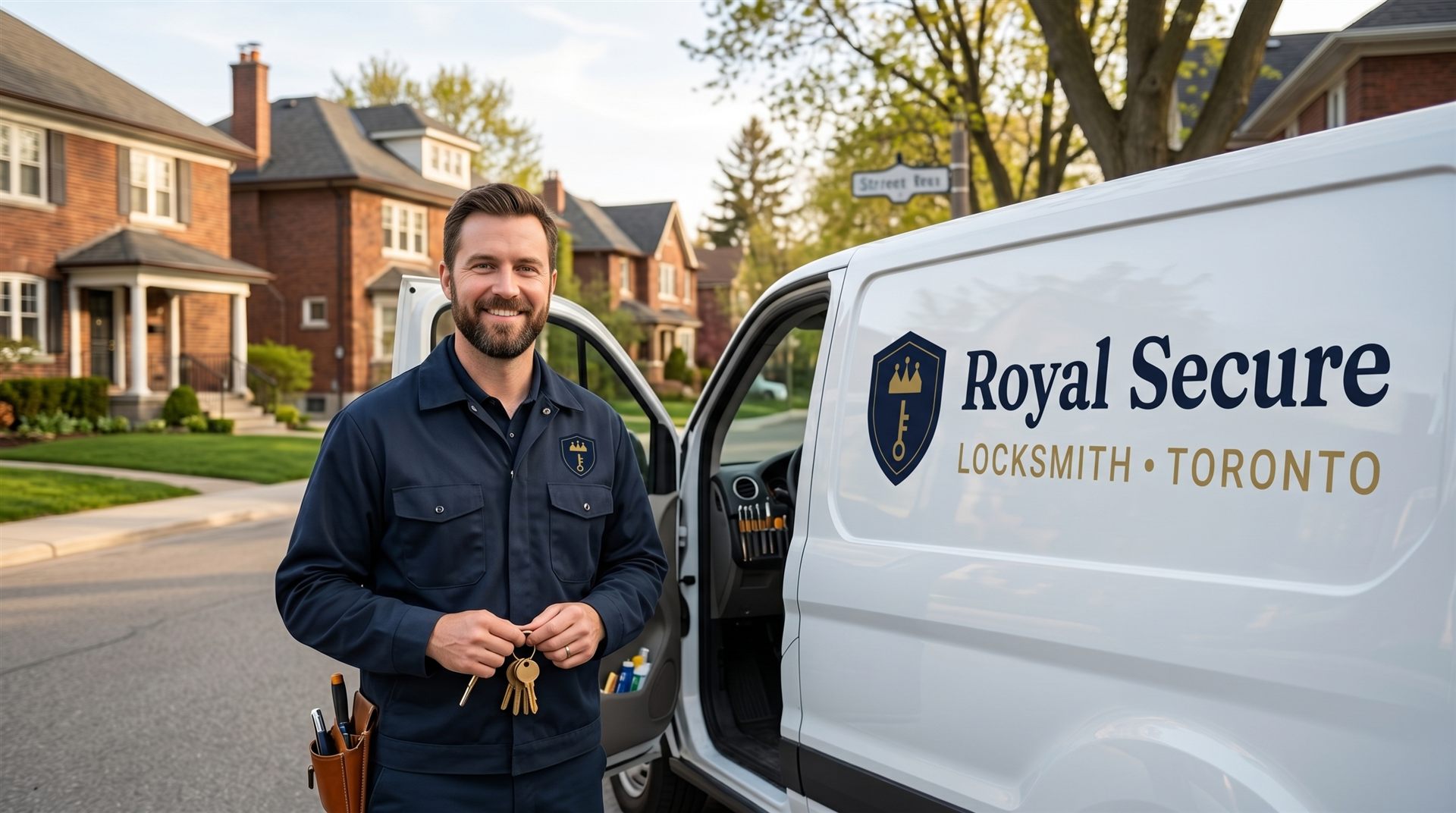
Do not force a key that turns but does not start the engine. Forcing can damage the ignition cylinder further. Likewise, if the key does not turn at all, avoid using excessive force, as it can break the key off in the lock. Instead, call a qualified automotive locksmith. They have the tools to extract broken keys, reprogram transponder chips, cut new blades, and repair ignition cylinders. For residents of Toronto and the GTA, services such as Royal Secure Locksmith can handle these issues on-site, often without needing to tow the vehicle to a dealership.
Prevention and maintenance
To reduce the chances of a key failure, handle the fob carefully. Avoid dropping it on hard surfaces, keep it away from moisture, and replace the battery every year or two even if it still works. If the key starts to feel loose in the ignition or if the remote range decreases, have it inspected before it fails completely. A spare key is also a good investment. Keeping a working spare can save you from being stranded and gives you a backup to test against if the primary key acts up.
When to consider a full replacement
If the key is old, if the fob casing is cracked, or if the transponder chip has been damaged, a full car key replacement may be more cost-effective than repairing the old one. Modern keys can be programmed to match your vehicle's immobilizer, and a new blade can be cut to the original code. A professional locksmith can provide a replacement key that works with your car's security system, often at a lower cost than the dealership. In the Toronto area, companies like Royal Secure Locksmith offer mobile service, meaning they come to your location to cut and program the new key on the spot.
In summary, a car key that looks fine but does not work is almost always suffering from an electronic or mechanical issue beyond the blade. Dead batteries, damaged transponder chips, out-of-sync codes, or a worn ignition cylinder are the usual causes. Simple checks can identify the problem, and a professional can usually fix it without replacing the entire key. But if the key is old or the electronics are beyond repair, a replacement is the reliable solution.